Anti Bloat Foods: Science-Backed Solutions for Digestive Relief
Beat the bloat naturally with science-backed foods that reduce gas, support digestion, and eliminate water retention. Discover which fruits, vegetables, proteins, and herbs can help you feel lighter and more comfortable every day.
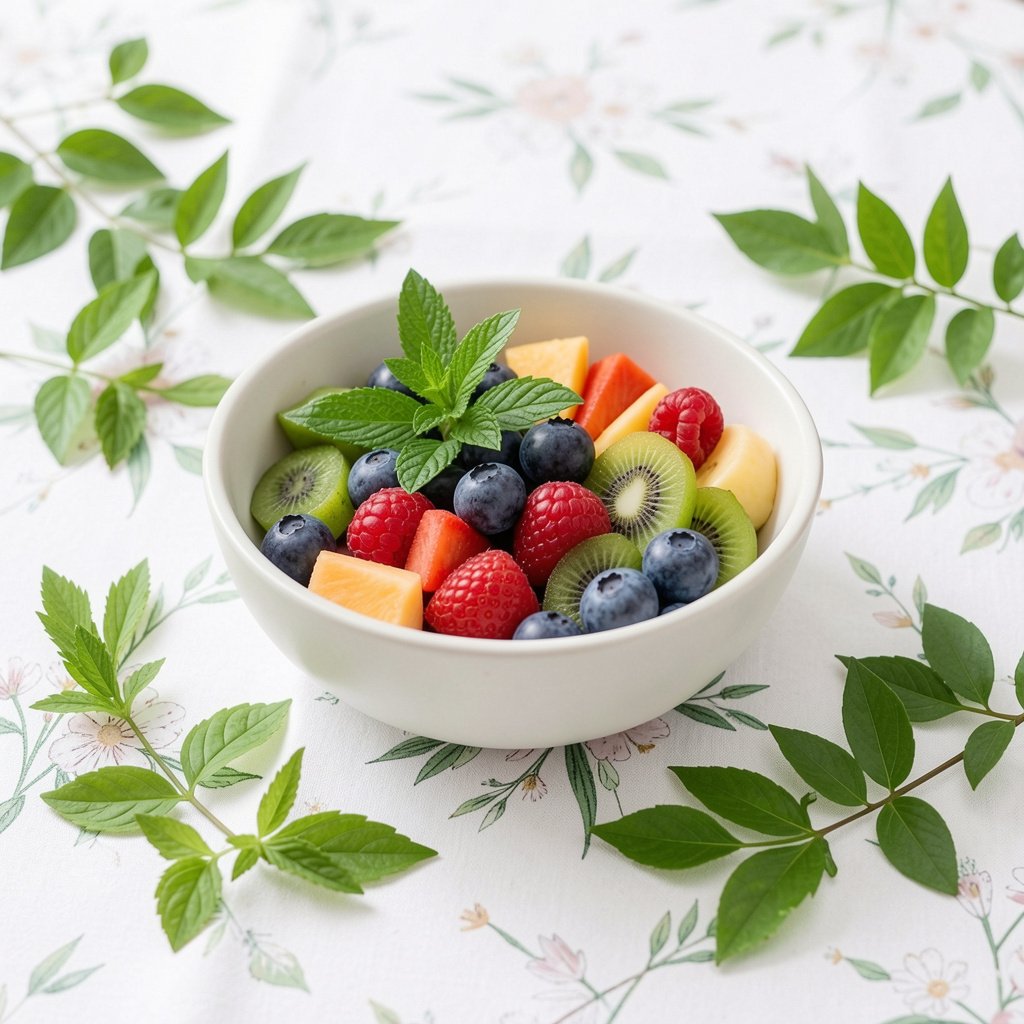
Anti Bloat Foods: Natural Solutions for a Flatter, Happier Stomach
Bloating affects millions of people daily, causing discomfort, distension, and frustration. Whether triggered by water retention, gas buildup, or sluggish digestion, that puffy feeling can significantly impact your quality of life. The good news is that strategic food choices can dramatically reduce bloating and support optimal digestive function. Understanding which foods fight bloating and why they work empowers you to make informed decisions that leave you feeling lighter, more energized, and comfortable in your body.
Potassium-Rich Foods That Balance Fluid Retention
Sodium causes your body to retain water, leading to uncomfortable bloating and puffiness. Potassium works as sodium's natural counterbalance, helping your kidneys flush out excess fluid and reduce that swollen feeling. Bananas are perhaps the most famous potassium source, containing about 422 milligrams per medium fruit, but they're far from the only option. Avocados deliver even more potassium at 690 milligrams per half, plus healthy fats that support nutrient absorption. Sweet potatoes, spinach, and white beans are excellent choices that provide substantial potassium alongside fiber and other essential nutrients. Cantaloupe and honeydew melons offer hydration combined with potassium, making them perfect anti-bloat snacks. Tomatoes, whether fresh or cooked, contribute potassium while adding flavor to meals. Even potatoes, often unfairly maligned, deliver significant potassium when prepared healthfully. Incorporating these foods regularly helps maintain proper fluid balance, preventing the water retention that makes clothing feel tight and your stomach appear distended. The key is consistent consumption rather than occasional mega-doses, allowing your body to maintain equilibrium naturally.
Digestive Enzyme-Rich Foods for Better Breakdown
Certain foods contain natural enzymes that help break down proteins, fats, and carbohydrates more efficiently, reducing the fermentation and gas production that cause bloating. Pineapple contains bromelain, a powerful enzyme that specifically targets protein digestion, making it an excellent addition after protein-heavy meals. Papaya offers papain, another protein-digesting enzyme that has been used traditionally for digestive support for centuries. Kiwifruit contains actinidin, which research shows can improve protein digestion and reduce feelings of fullness and bloating. Fermented foods like sauerkraut, kimchi, and kefir provide both enzymes and beneficial probiotics that enhance overall digestive function. These living foods introduce helpful bacteria that crowd out gas-producing microbes and improve gut motility. Ginger, while not enzyme-rich, contains compounds called gingerols that stimulate digestive secretions and accelerate stomach emptying, preventing the stagnation that leads to bloating. Fennel seeds have been used across cultures as a digestive aid, with compounds that relax intestinal muscles and reduce gas. Including these foods with meals or as strategic snacks supports your body's natural digestive processes, minimizing the uncomfortable aftermath of eating.
High-Water-Content Foods That Support Hydration
It might seem counterintuitive, but eating water-rich foods actually helps reduce water retention and bloating. When you're dehydrated, your body holds onto every drop of water it can, leading to puffiness and bloating. Hydrating foods signal to your body that fluid is abundant, encouraging release of stored water. Cucumbers are approximately 95% water and contain quercetin, an antioxidant that reduces swelling. They also provide a mild diuretic effect without the harsh impact of caffeine. Celery offers similar benefits with added electrolytes that support fluid balance. Watermelon combines high water content with natural sugars and amino acids that support kidney function and fluid elimination. Lettuce varieties, especially iceberg and romaine, deliver crunch and hydration with minimal calories. Zucchini and other summer squashes cook down beautifully while providing water and fiber that keep digestion moving smoothly. Bell peppers add vitamin C alongside their water content, supporting overall cellular health. Strawberries and other berries offer antioxidants plus hydration in a sweet package. These foods work synergistically with plain water consumption, helping your digestive system function optimally while preventing the dehydration-triggered water retention that makes bloating worse.
Anti-Inflammatory Herbs and Spices
Chronic inflammation in the digestive tract contributes significantly to bloating, discomfort, and irregular bowel movements. Certain herbs and spices possess powerful anti-inflammatory compounds that soothe the gut lining and reduce bloating symptoms. Turmeric contains curcumin, extensively researched for its ability to reduce inflammation throughout the body, including the digestive system. Combining turmeric with black pepper increases curcumin absorption by up to 2000%, maximizing its benefits. Peppermint has been clinically shown to relax intestinal smooth muscles, reducing spasms that trap gas and cause pain. Peppermint tea after meals can significantly decrease bloating sensations. Chamomile offers gentle anti-inflammatory and antispasmodic effects, making it ideal for sensitive stomachs. Cinnamon helps regulate blood sugar spikes that can trigger digestive distress and bloating in some individuals. Basil contains oils that support digestive enzyme production and reduce gas formation. Parsley acts as a natural diuretic, helping eliminate excess water while providing chlorophyll that freshens breath and supports detoxification. These herbs and spices can be incorporated into cooking, consumed as teas, or taken as supplements, providing multiple pathways to reduce inflammation and its bloating consequences.
Practical Tips for Maximum Anti-Bloat Benefits
- Eat slowly and chew thoroughly to reduce swallowed air and support enzyme action
- Combine anti-bloat foods rather than relying on single solutions for synergistic effects
- Stay consistently hydrated throughout the day, not just during meals
- Avoid drinking through straws, which introduces excess air into your digestive system
- Keep a food journal to identify personal bloating triggers alongside helpful foods
- Prepare vegetables by cooking rather than eating everything raw if you're sensitive to fiber
- Time potassium-rich foods strategically after high-sodium meals to counterbalance retention
- Use herbs and spices liberally in cooking for continuous anti-inflammatory support
Bloating doesn't have to be an inevitable part of your daily experience. By strategically incorporating these anti-bloat foods into your regular eating pattern, you can significantly reduce discomfort, improve digestive efficiency, and feel more comfortable in your body. Remember that everyone's digestive system is unique, so pay attention to how your body responds to different foods and adjust accordingly. For more comprehensive guidance on supporting your digestive health naturally, get our free 7-day gut reset mini course at gutandmovement.com/free-gut-reset and start implementing these strategies with daily guidance and support. If you're ready to go deeper and address stubborn bloating, irregular digestion, and gut imbalances, check out our Bye Bye Bloat 2-week program at gutmovement.gumroad.com/l/emgnw for a comprehensive approach to lasting digestive wellness.


